
A repair based on the building, not guesswork
The cause comes first
We identify how water is moving before specifying a barrier or damp-proof course.
Damaged finishes dealt with
We remove contaminated material where needed and reinstate treated surfaces.
Clear decoration guidance
We explain when different paints can be used without trapping moisture.
Stop moisture at the route it is taking
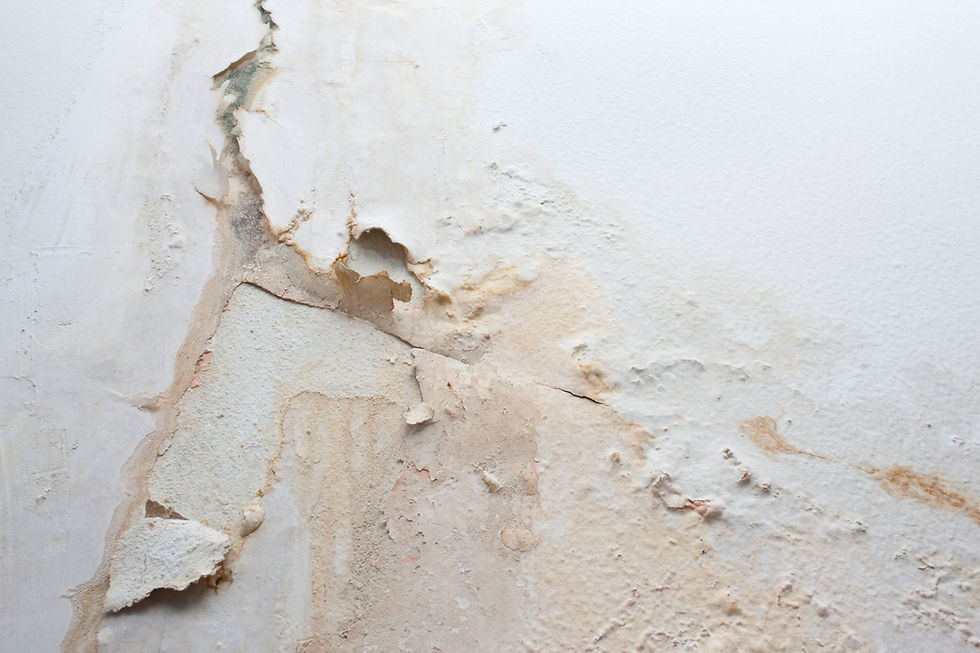
Damp can rise through masonry, pass through an outside wall, collect through condensation or enter a space below ground. The stain indoors rarely tells the whole story. We inspect the pattern, the condition of the building and any existing damp protection before choosing a method. Depending on what we find, damp proofing may involve repairing or installing a damp-proof course, injecting a suitable product or fitting a high-density polyethylene membrane. We prepare the area, remove affected finishes where necessary and install the specified barrier. This avoids treating every dark patch as the same fault and helps keep unnecessary disruption in check.

Drying time matters after treatment
Once the barrier or course is in place, we reinstate the treated surfaces using suitable materials. The wall still needs time to release the moisture already held within it. As a general guide, drying can take about one month for every 25 mm of wall thickness. Non-vinyl emulsion can typically be applied after three to four weeks, but vinyl and washable finishes should wait until the wall is fully dry. Rushing that final coat can trap moisture and spoil an otherwise sound repair. Most of our damp-proofing services include a 10-year guarantee, with optional insurance-backed protection available.
Frequently asked questions
How do we know which damp-proofing method is needed?
We inspect the moisture pattern, wall construction, existing damp-proof course and possible entry routes. Those findings determine whether we specify an injected course, course repair, membrane or another remedy aimed at the actual cause.
When can we redecorate after damp treatment?
Non-vinyl emulsion can typically be used after three to four weeks. Vinyl or washable finishes should wait until the wall is fully dry. A useful drying guide is around one month for each 25 mm of wall thickness.
Does damp proofing come with a guarantee?
Most of our damp-proofing services carry a 10-year guarantee. Optional 10-year insurance-backed protection is also available if you want cover that remains separate from the standard guarantee arrangements.